11 May Grey Skies, Great Bowling and a Champion’s Finish at Lockwood Con
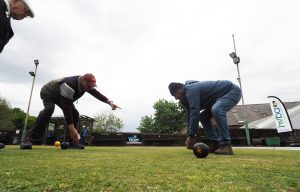
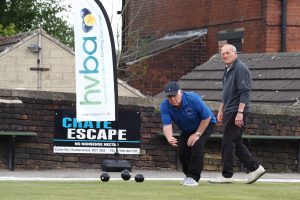
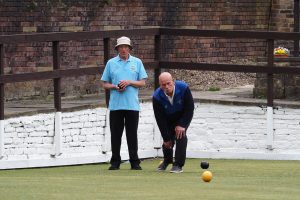
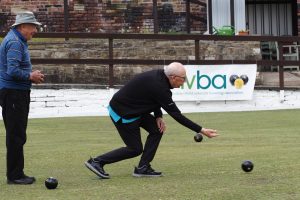
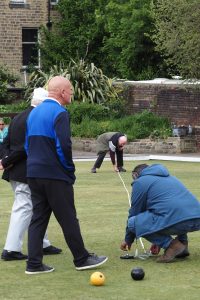
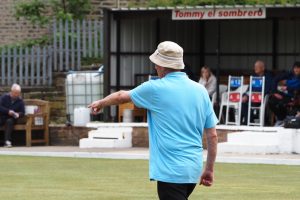
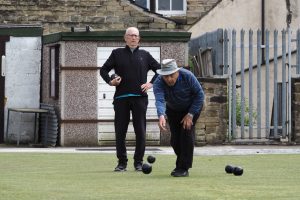
The Huddersfield Veterans Bowling Association Over-70s competition took place at Lockwood on Thursday 7th May beneath cool grey skies that never quite developed into rain but certainly gave the impression they were considering it.
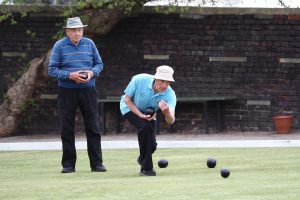
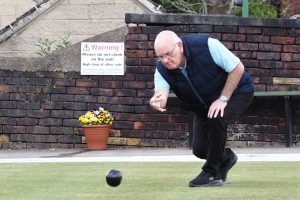
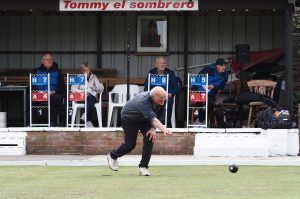
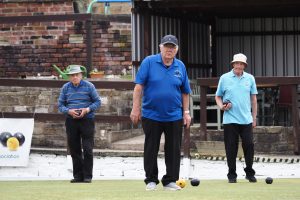
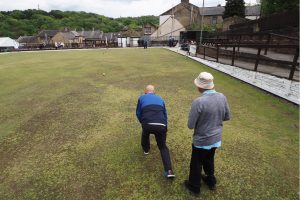
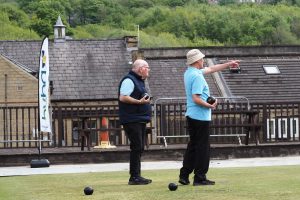
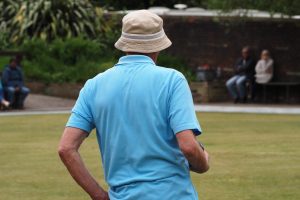
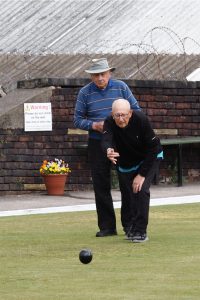
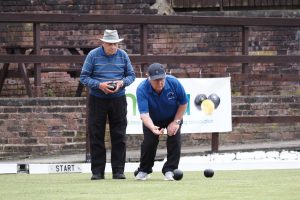
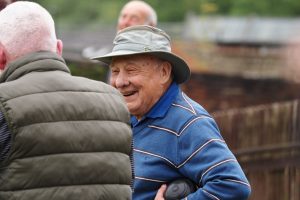
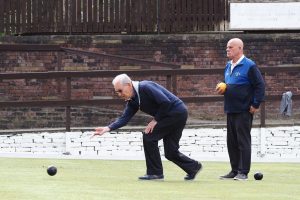
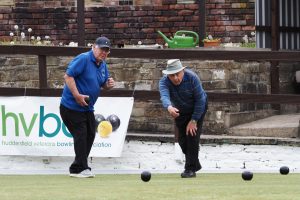
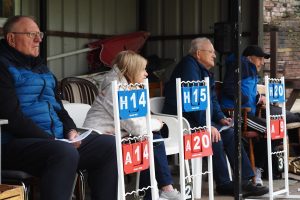
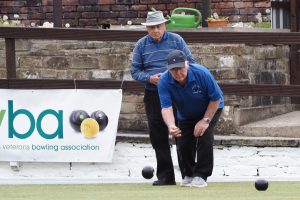
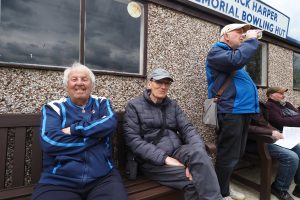
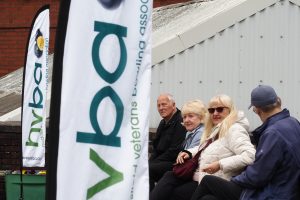
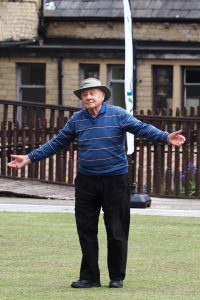
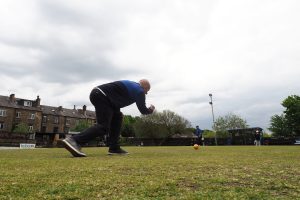
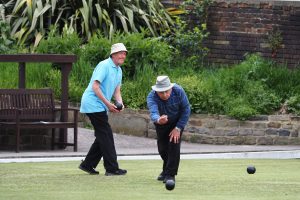
Which, if we are honest, felt entirely correct. Crown green bowling is not really a sport for blazing Mediterranean sunshine. Here, in its natural home, it belongs to afternoons like this: a slight chill in the air, spectators gathered around the green in coats, quiet muttering after a particularly good bowl, somebody permanently walking about carrying tea and the unmistakable sense that everybody there understands exactly why the occasion matters.
And this one certainly did.
Hosted and sponsored by Lockwood & Salford Conservative Bowling Club, the competition drew an excellent crowd for a full afternoon of quarter-finals, semi-finals and the final itself. Referee Ray Tunnacliffe kept proceedings moving with calm efficiency, while HVBA President John Pearman later presented the prizes after a day packed with tension, comebacks and wonderfully stubborn competitive spirit.
The quarter-finals immediately established the tone.
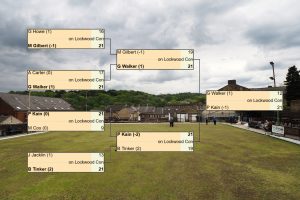
Malcolm Gilbert powered past Graham Howe in a match that never quite allowed either player to relax. Howe maintained a lead over the first twenty ends but it remained tight throughout, before Gilbert found what he needed from the green. 14-15 down he claimed seven of the final eight ends to finish 21-16.
Peter Kain’s progress into the semi-finals proved rather more comfortable. He defeated Mick Cox 21–9 after taking command early and settling into the sort of rhythm all bowlers recognise and all opponents dread — the quiet, relentless accumulation of points that slowly drains hope from the other end of the green.
Then there was Gordon Walker against Andy Carter, which turned into one of the stories of the afternoon.
Close throughout the opening ends, Carter appeared to take control after three successive doubles on the 13th, 14th and 15th opened a decisive-looking 14–10 lead. Around the green there was the sense that Walker’s race had probably been run.
Walker, however, seemed entirely unconcerned by this development.
Without fuss or flourish, and with the sort of composed resilience that only years of experience can really produce, he simply began edging his way back into the game. Regaining the jack, one point became two, two became four. Gradually the pressure shifted, Carter tightened, and Walker surged through six consecutive ends to lead 19-14 and then coolly closed the game at 21–17.
Meanwhile Barry Tinker booked his place in the semi-final line-up with a 21–13 win over Jeff Jacklin, though the score-line rather disguised a contest that remained competitive for much of the afternoon before Tinker, at 15-12 up, finally pulled away late on.
By the time the semi-finals arrived, the atmosphere around the green had changed noticeably. Conversations became quieter during important ends. Spectators leaned forward a little more. Every bowl suddenly seemed to carry consequence.
Kain’s clash with Tinker became one of the matches of the tournament. Starting on minus two against Tinker’s plus-one handicap meant Kain spent much of the game chasing from behind, and Tinker made full use of the advantage, leading the way to 12–6. But Kain possessed that invaluable quality experienced bowlers often develop: the refusal to be shaken off. He remained close enough to apply pressure on Tinker and gradually the match began to turn. 12-6 became 13-11, then 15-14 until on the 27th end Kain had reeled him in at 16 across. But Tinker wasn’t done, far from it and the two traded points over the next five ends to remain level at 19 across before Kain produced a nerveless finish for the two he needed to completed a remarkable 21–19 victory.
Walker’s semi-final against Malcolm Gilbert followed a similarly dramatic pattern. Gilbert looked in control during the middle stages and held a useful 14–11 lead, but once again Walker refused to panic. Calm, patient and fiercely competitive, in a run of seven ends he edged himself back into contention at 14 across and then on to a 19-14 lead. Gilbert resisted but Walker impressed with a clinical finish for 21–19 and a place in the final.
And so, as the day eased towards late afternoon the final brought together two players who had earned their place the hard way.
Walker was starting with a +1 handicap against Kain’s -1 and, remarkably, was giving away 15 years to the “youngster” Kain. But from what we’d seen so far, that was entirely irrelevant. Walker prowled the green with assurance, confidence and the kind of tactical calmness that only experience can bring. Early in the final he stayed right with Kain at 7–7 and again at 9–8, producing some superb bowling under pressure.
For long stretches, the match felt beautifully balanced.
But finals are often shaped by one decisive spell and this one proved no different.
Kain suddenly found another level. Back-to-back doubles on the 18th and 19th ends opened up a significant lead at 17–9 and, back in a rhythm familiar to Mick Cox, he controlled the closing stages with impressive authority. Walker continued battling gamely to the finish, but Kain’s consistency and composure ultimately carried him over the line, and to the title, at 21–12.
From dramatic swings to tense finishes and outstanding resilience, the Over 70s finals had delivered everything you could ask for. And afterwards, with the trophies presented and hands warmly shaken around the green, Peter Kain could finally reflect on a superb afternoon’s work and a thoroughly deserved triumph.
Special thanks go to our generous hosts and sponsor Lockwood & Salford Conservative Bowling Club and our ever-diligent match referee Ray Tunnacliffe.
There is more Over 70s action to come with the Pairs competition. Finals take place on 21st May at Lowerhouse – put it in your diary now.
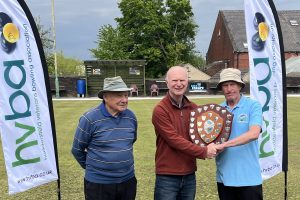
Runner-up Gordon Walker together with winner Peter Kain receiving his trophy from President John Pearman
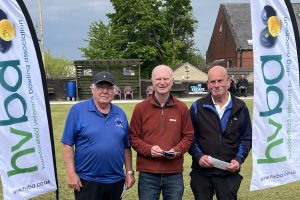
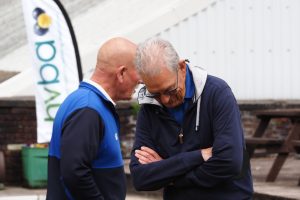
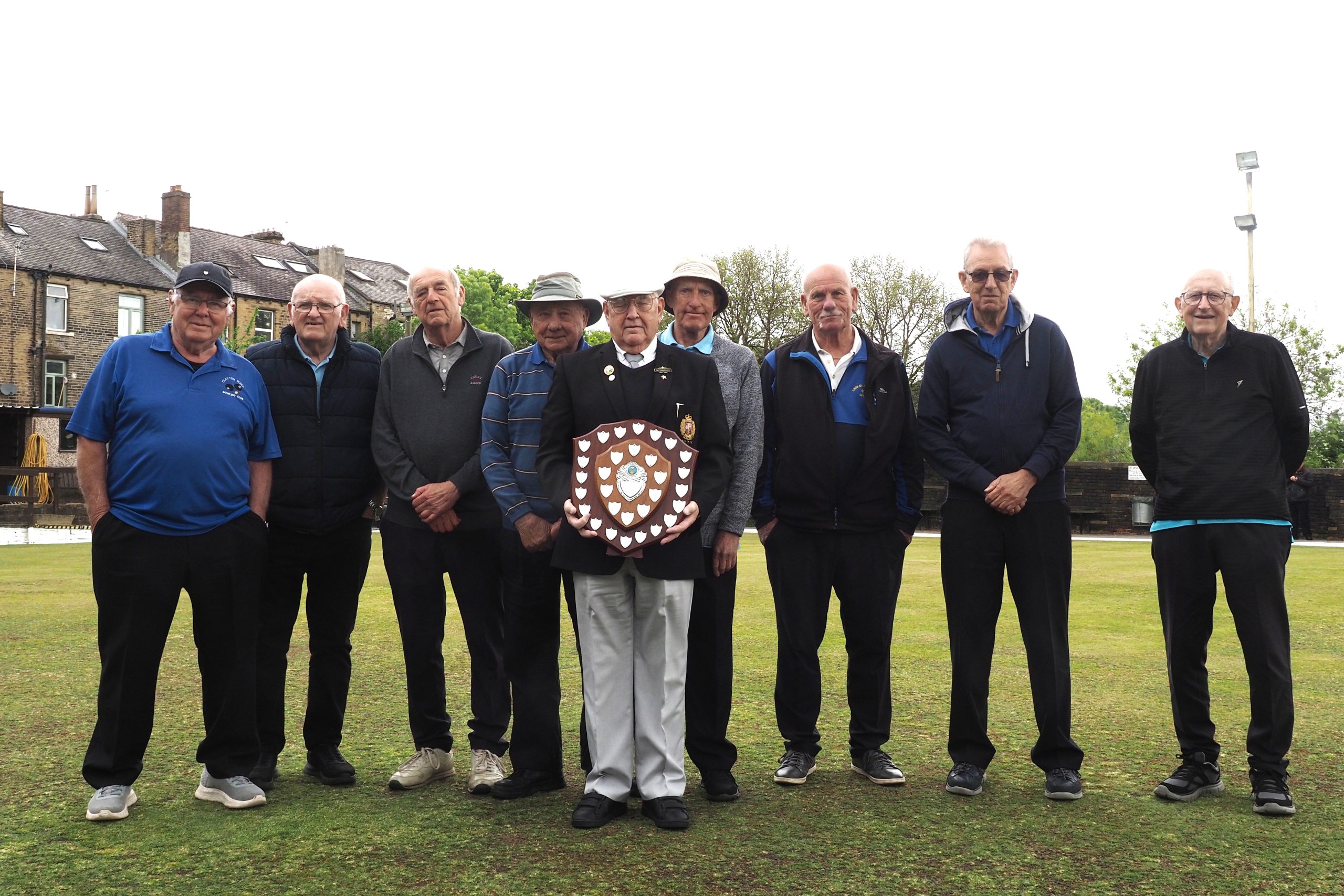
Semi-finalists (L-R) Malcolm Gilbert and Barry Tinker
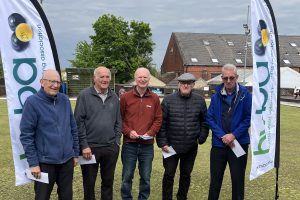
Quarter-finalists (L-R) Andy Carter, Graham Howe, Mick Cox and Jeff Jacklin